
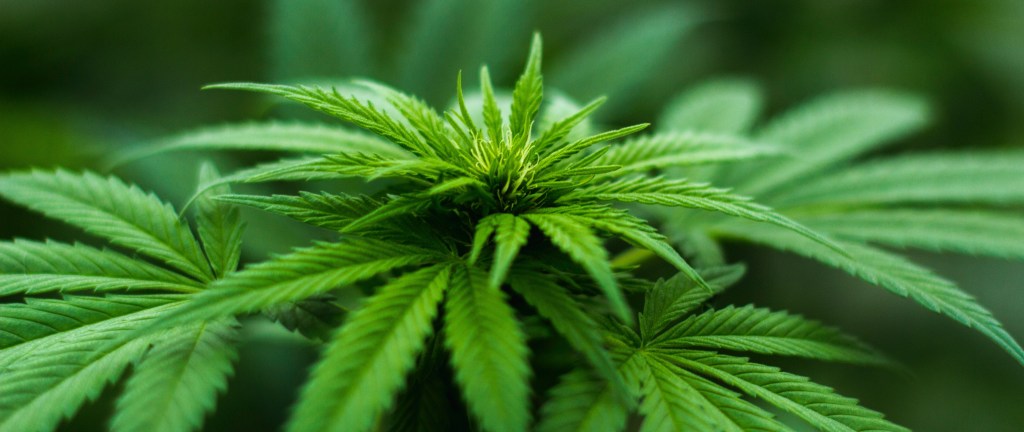
We live in a society where the current public and government perception of an array of controversial topics is decidedly offbeat. This disputable viewpoint, along with other factors, greatly contributes to the decisions made by influencers, and in some instances, prevents the use of valuable resources to their fullest potential. A strong example of this is Marijuana (commonly known as cannabis) and its application in society.
History & Law
For centuries, hemp, a strain of cannabis predominantly lower in tetra-hydro-cannabinol has been used in industry for fibres, oils and seeds. Recreational use of the drug has been practised for much longer than this, yet a majority of the world’s government put a ban on this form of misuse in the early 20th century. Since then, a majority of these countries still enforce this law, even though we have since developed a better understanding of the active components, and the psychological (Walsh et al., 2017) and biochemical (Hill et al., 2017) effects that can be achieved from them. More emphasis evolved around the negatives of the drug, and the enforcement if one was found cultivating, possessing and distributing Cannabis, and thereby placing less attention on the medicinal benefits.
In recent decades, use of the drug has become more acceptable worldwide. Countries such as the Netherlands have allowed for the recreational use of the drug whilst some American states have legalised the use of cannabis for medicinal purposes only. The UK, however, has remained very hesitant on legalising the use of the plant for neither, recreational nor medicinal. The class B classification of the drug has remained the same since it was added to the Dangerous Drugs Act 1920 in 1928 and remains there till today. There was a slight movement towards acceptance between 2004 and 2009 when the drug dropped to a class C but this didn’t remain for long due to political and public safety factors. These factors seemed to have outweighed the public opinion as according to BBC news more people were in favour of this down classification (49% supported this movement whilst 36% didn’t).
Medicinal or Recreational cannabis?
It is important for laws to be set with the differentiation of ‘recreational marijuana’ and ‘medical marijuana’ in mind as their expected effects vary. Particularly more so, when patients who currently benefit medically from the drug in the UK have to commit criminal offences to obtain any form of cannabis. This ‘street’ cannabis is what causes harm to long-term users, as its manufacture does not comply under any standard operating procedures approved by regulatory bodies like the MHRA/FDA. This means that’s compounds may be used which greatly influence previously identified psychological harm (Di Forti et al., 2009). Could this also reason to the negative stigma around the plant?
Anyway… the difference between recreational and medicinal marijuana is quite simply segregated by the proportions of two relevant components:
- Tetrahydrocannabinol (THC): The psychoactive compound of the cannabis plant which produces the ‘euphoria’ or high.
- Cannabidiol (CBD): The substance that does not produce the high, yet has been recently found to hold many medicinal benefits.
Recreational marijuana is the type that is usually found on the streets. It is usually much higher in the psychoactive compound THC whereas its medicinal counterpart contains far more CBD. Use of the medicinal product, whether smoked, vaped or consumed, does not create the euphoria, yet gives the user relief from certain disorders. Extensive cannabinoid research has found benefits including pain control, multiple sclerosis, insomnia and has also been found to lessen disease symptoms including tremors in Parkinson’s disease (Grinspoon, 2018).
Where we are now?
As medicine and its application in society have improved over time, scientists have further studied CBD and other compounds in cannabis. A company recognised well in the field is GW Pharmaceuticals, who earlier this year became the first to have their cannabinoid-derived product approved for commercialisation by the FDA. The product (Epidiolex®), compromised of purified cannabidiol was created to treat two rare forms of epilepsy, Lennox-Gastaut syndrome and Dravet syndrome (FDA, 2018). Other preliminary uses for this drug have also been identified, yet not been approved by the FDA. Regardless of this, it is evident through FDA approval, that cannabis products have medicinal benefits… It’s just important to use the correct compounds in the correct manner to achieve the desired effects.
GW Pharmaceuticals, along with similar businesses will continue to undergo extensive research using state-of-art biotechnology to create medication cannabinoid-derived medication. I will get into more depth on the main active compounds found in cannabis in my next blog and explain their effect on the body.
 Application of cannabis into modern medicine