
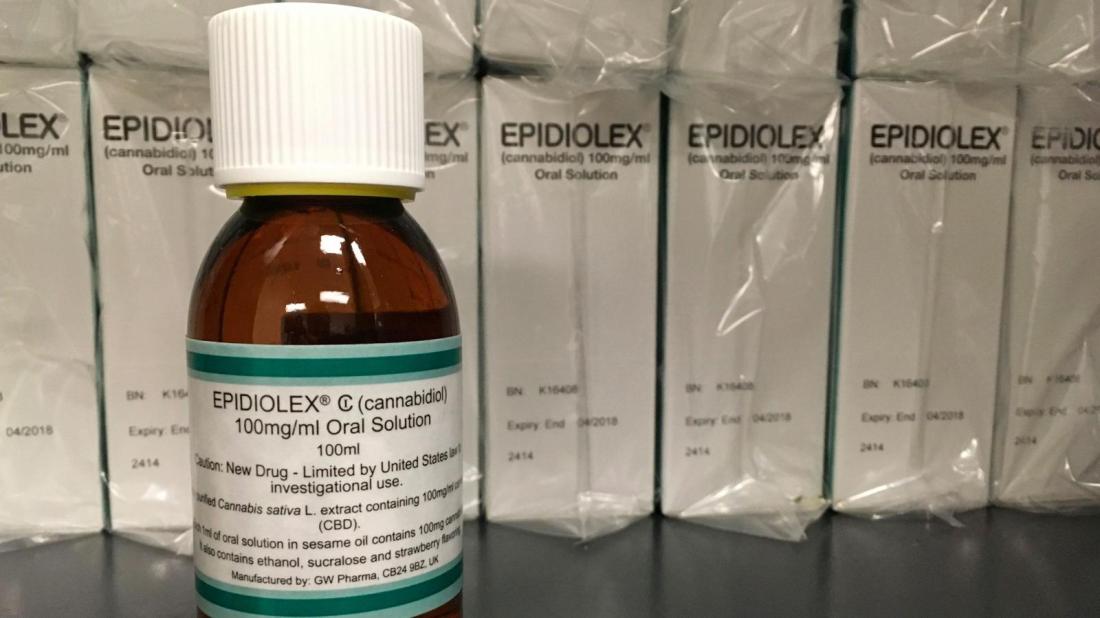
So firstly, for those of you who haven’t already heard, Epidiolex® it is an oral solution which consists of purified (99.9%) CBD derived from the cannabis plant. The drug is manufactured and distributed by a UK-based business known as GW Pharmaceuticals as medicine for two rare forms of childhood epilepsy. Epidiolex® and cannabis in general, received significant attention within the field of medicine after the oral solution became recognised as a true ‘medicine’ by the Food and Drug Administration (FDA) agency on June 25, 2018.
This status of approval positively impacted the way many of us now perceive cannabis. Media vendors significantly influenced this impact by headlining that Epidiolex® has become the “worlds first cannabinoid drug” and that it has opened many doors for investment and research. Some of these media articles, however, did what the media does well… present their bias thoughts on this event. Thus, causing a large proportion of public and government perceptions to remain within the historic belief that cannabis is ‘no good’. This is rather distressing, as extensive research has previously occurred presenting evidence that cannabis products are positively associated with health. I can understand the misconception, as there are also negatives associated with some of the active compounds found in cannabis, but these ‘side effects’ are associated with a grand proportion of medicinal compounds used worldwide. This doesn’t stop a majority of us from taking the drug… really it’s all about weighing out the pros and cons.
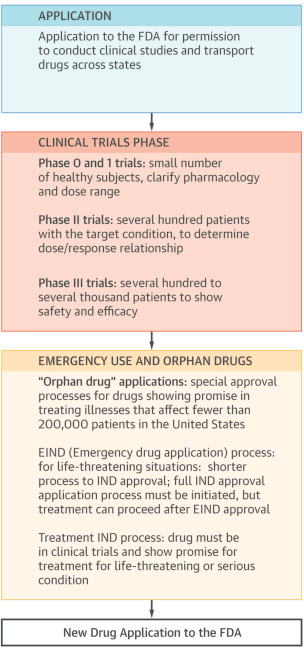
In order to help the scientific community in altering the general publics idea on cannabinoid derived medication, I think it is important to explain (in general) the process through which Epidiolex® had to undergo in order to obtain FDA approval.
The approval process
Before GW pharmaceuticals were able to submit an application to the FDA, they had to undertake many years worth of research, process development and validation along with upscaling the process for drug manufacture. Surprisingly, this is something the business focussed on since their establishment in the late 20th century… meaning it took them under two decades to understand the complex process for creating the drug.
Finally, when GW was confident that their developed drug had the potential to improve the lives of individuals, they filed an application to the FDA, which granted them permission to conduct clinical trials. These randomized, placebo-controlled clinical trails consist of three-phases (Phase 1: Devinsky et al., 2017; Phase 2: Devinsky et al., 2018; Phase 3: Thiele et al., 2018) that assess different aspects of the drug. They were also double-blinded meaning that neither the patient nor the doctor knew whether the drug administered was active or placebo.
Phase 1
This trial randomly treated 120 children/young adults with the Dravet syndrome and drug-resistant seizures over a 14-week treatment period. The study found that the median frequency of convulsive seizures per month decreased (12.4% to 5.9%) more in patients administered with Epidiolex®, compared to those administered with placebo (14.9% to 14.1%). This study basically clarified that the drugs work.
Phase 2
The second phase of clinical study enrolled patients with Lennox-Gastaut syndrome (age range, 2 to 55 years) and randomly separated them into groups to study the dose to response relationship. 76 patients were assigned with 20mg cannabidiol servings, 73 patients had 10mg cannabidiol servings and the remaining 76 had the placebo. After an average of 28 days worth of treatment, the results presented that a greater dose had a greater reduction impact on the frequency of seizures. The median reduction in drop-seizure frequency was 41.9% in the 20-mg cannabidiol group, 37.2% in the 10-mg cannabidiol group, and 17.2% in the placebo group.
Phase 3
The last phase investigated the short-term efficacy of the drug. They found that the treatment was well tolerated by patients with Lennox-Gastaut syndrome, but some mild to moderate adverse effects were expressed including diarrhoea, somnolence, pyrexia, decreased appetite, and vomiting. These side effects, however, are less alerting than a great proportion of those associated with other drugs in the market. The long-term efficacy of the drug is still undergoing trials.
After all three clinical trials, phases were brought to a close; the new drug application was submitted to the FDA for review. As expected, the FDA understood that the drug administered a disease, which previously had no effective medication, and was safe enough to use if manufactured accordingly to the licence specifications that they granted. Thus, legally allowing the drug to be prescribed in the US to patients with these seizure syndromes.
Hopefully, public recognition of his extensive approval process can influence the public to be more accepting of cannabinoid derived products as they are truly well tested, before hitting pharmacy shelves. Just to add on, GW is also aiming to expand the radius of this licence to occupy other disorders and illnesses as many other health claims are associated with CBD. I will touch onto these in my next blog… hope you enjoy reading it!
 Application of cannabis into modern medicine