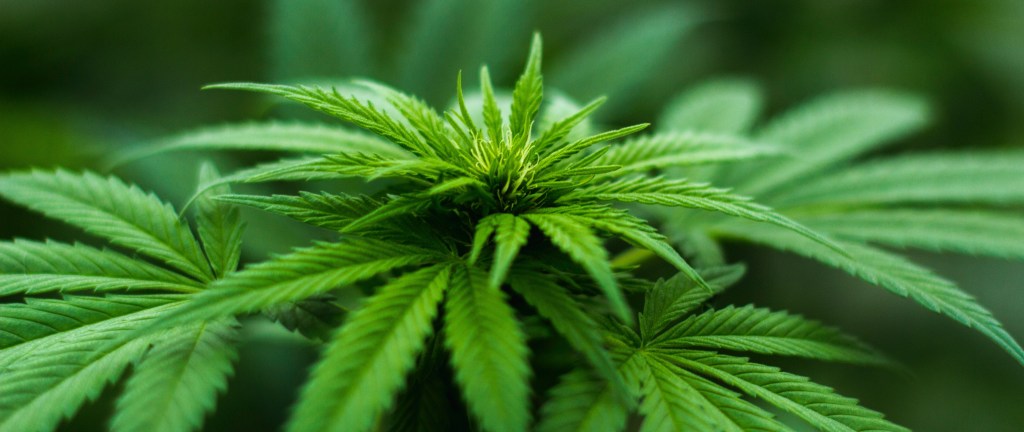
Hemp vs CBD vs Cannabis; the different oils

In the cannabis industry, there are two common forms of Cannabis Sativa plants that are grown: Industrial hemp and marijuana. Both of these plant types belong to the same family of plants, but differ drastically in terms of biochemical properties, and therefore application within society. Industrial hemp naturally has a greater proportion of CBD compared to THC whereas marijuana is the polar opposite, usually high in THC and lower in CBD. This biochemical composition makes industrial hemp more desirable in the field of medicine as current research tends to hover medicinal benefits over CBD significantly more compared to THC. It shouldn’t, therefore, be a surprise that cultivation of industrial cannabis is legal across the US under the Farm Bill Act, whereas cultivation of marijuana varies vastly from state to state.
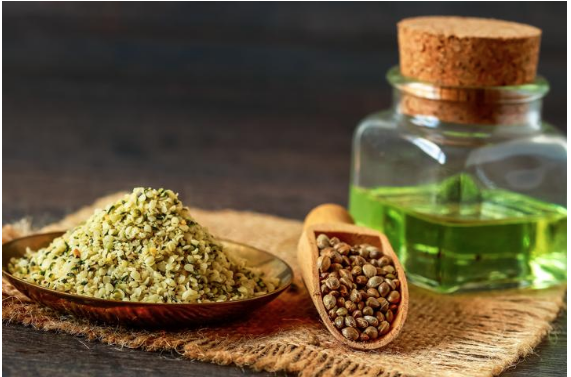
cannabis oils

So, all hemp, CBD and cannabis oils are obviously derived from cannabis, but the determinant to what the end product stems down to the plant type from which they are extracted.

Hemp Oils
Hemp oil comes from the industrial hemp plants seed but surprisingly, when tested for cannabinoid levels; seem to contain neither CBD nor THC in traces. Testing has actually shown that no cannabinoids at all are present in hemp plant seeds. I guess this has got you wondering… why create this product if it contains none of the cannabis active compounds? Well simply, they are not needed in these products as Hemp oils are not utilised for to their cannabinoids, but high levels of omega fatty acids, vitamins and minerals. They’re actually commonly referred to as super-foods as their nutritional components can assist in lowering pain or relieving stress. The omegas and vitamins also support healthier hair and skin.

CBD Oils
CBD Oils differ from hemp oils as they do contain cannabinoids, flavonoids, terpenes and other beneficial phytonutrients that are naturally found in industrial hemp. These compounds are present in the oil as they are mainly derived from the plant when it has fully grown, rather than from its seeds. Traces of THC are however removed from these oils before its sale and distribution, making it a legal product in many countries. The cannabinoids present in these oils have been found to assist with pain, stress, anxiety, sleep and inflammation.

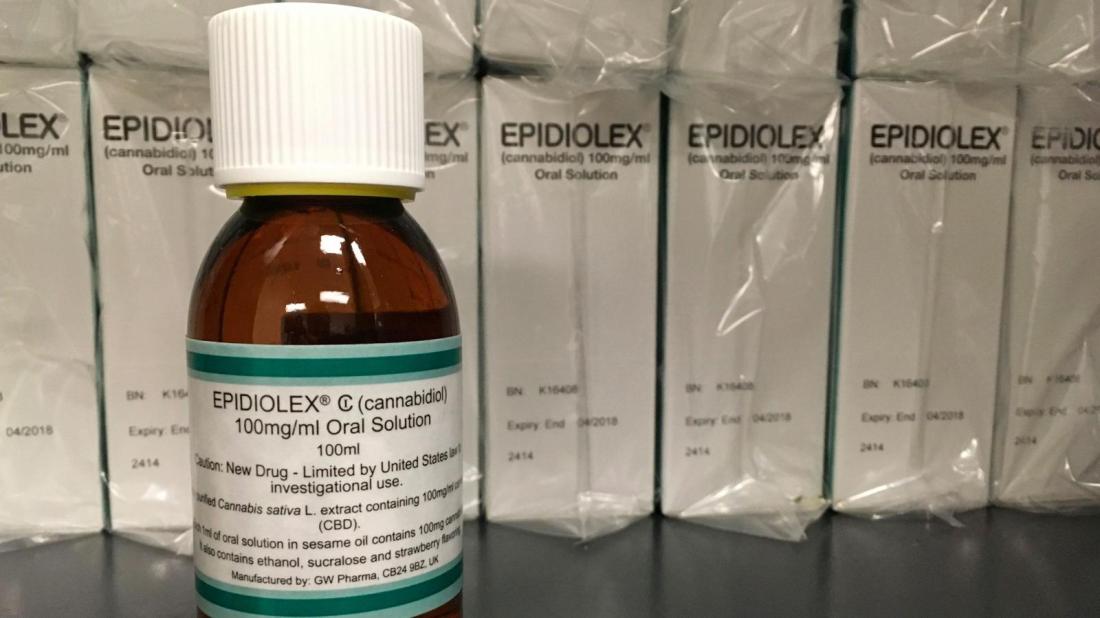
It is important however to understand that CBD has been found through to assist with these health issues, but they are not confirmed and approved by medical regulatory bodies. Hence, why Epidolex® is currently only marketed for seizures, and not any of these issues.

Cannabis Oils
The last of these oils are cannabis oils, which are mostly derived from the marijuana plant (dependant on vendor), unlike hemp and CBD oils. Cannabis oils, just like the marijuana plant, have high levels of THC compared to CBD making it illegal in most countries, apart from those who have legalised recreational cannabis use. Interestingly, this oil is still used for its medicinal purposes but as a recreational drug, hence the illegality status.

So here you are… a breakdown of the different forms of oils derived from the cannabis plant. I truly find it fascinating that they differ so much from one another just because of the methods and plant strain that they are derived from. My next blog will actually concentrate on the future of cannabis and the potential of scientific bioengineering technology to alter the plants, hence opening more doors to further research.
Cannabis health benefits; apart from those approved by the FDA

In recent years, the medical industry has been inching towards the used of natural medication as a primary source of prescription. This shift away from synthetic products is a ‘healthier’ medication alternative but is, unfortunately, one that cannot occupy all of the health issues prevalent through the planet. Medical advancements however happen step-by-step (with the occasional leap) meaning that possibly one day, all medicine may be naturally sourced.

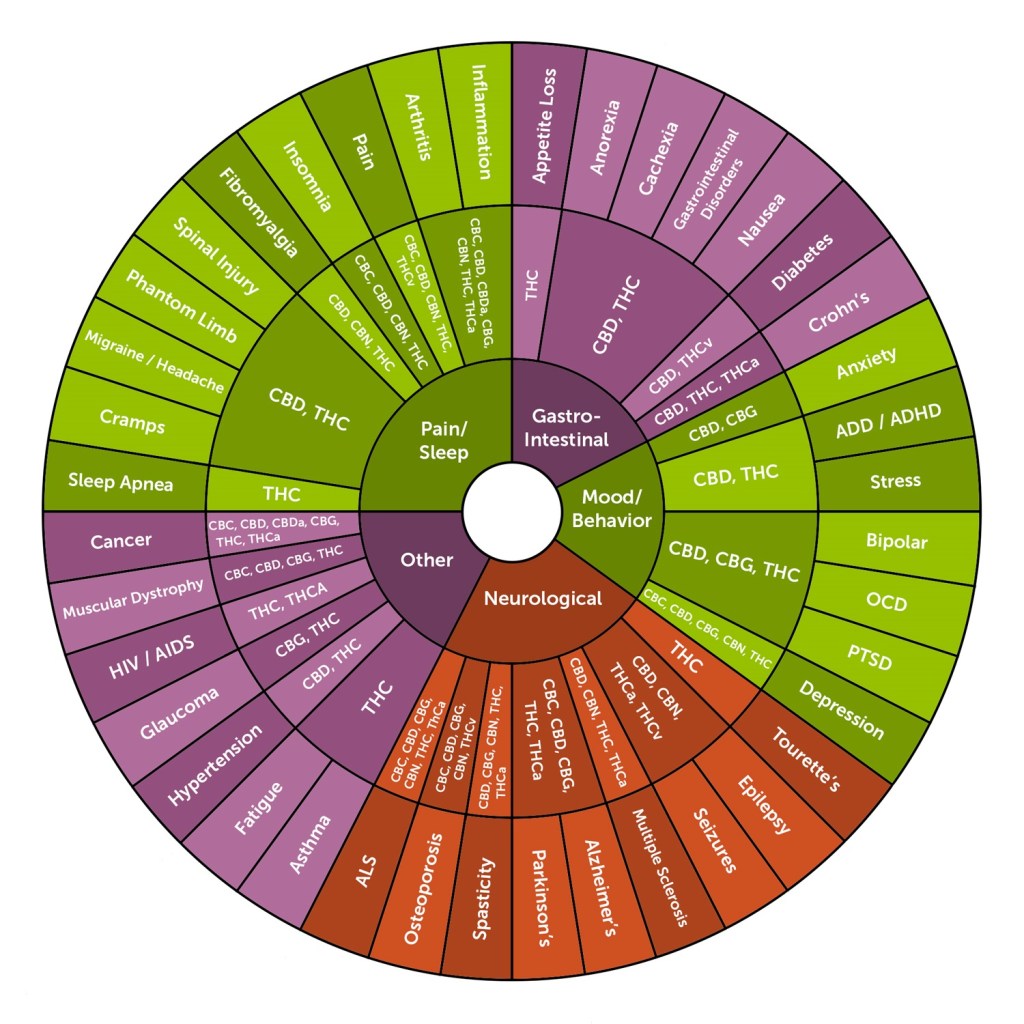
Cannabis-derived products are one of these botanical sources that have become prominent in medical research and interestingly; many health claims have been identified. These claims were found relatable not only to CBD and THC, but also other significant cannabis bioproducts like cannabichromene (CBC), Cannabinol (CBN) and Cannabigerol (CBG).

plue6ndetsirqg7y9hkf_cannabinoid-wheel-(final)---english

Pain
Research has found that CBD for example, has far more potential than what the FDA approves for at this moment in time. For example, human studies presented it as an effective supplement for general pain relief whilst others showed it to improve pain management in patients in rheumatoid arthritis when combined with THC. Pain relief was actually associated with THC, CBC and CBG, with the theory that this effect is down to the compounds ability to reduce inflammation and interact with our neurotransmitters. Another study actually found that CBD’s neurotransmitter interactivity capabilities also reduced acne by inhibiting the production of sebum in the skins sebaceous glands.

Mental Health
The psychoactive properties of cannabis budged some research towards mental wellbeing effects of the compounds. Suppressed anxiety was linked to CBD and CBG whereas all the previously named showed depression alleviation. A study published by the Neuropsychopharmacology journal clinically demonstrated that sufferers of generalised social anxiety disorder (SAD) that were administered with CBD compared to placebo, experienced significantly less anxiety and discomfort during a public speaking test. Importantly, in another fascinating display of entourage effect, CBC was shown to interact in conjunction with both, CBD and THC to bring a trifecta of antidepressant properties to counter depression. This is particularly significant as depression driven suicide is prevalent all over the world. Imagine if we could apply to utilise these active compounds into an antidepressant pill? Doctors could lower the prescription of conventional synthetic medication, which are known to have much more health risks compared to these natural alternatives. In the real scheme of things its possible, but requires extensive testing, research and as mentioned in my previous blog; medicinal recognition.

Cancer
Cannabinoids have also been shown to alter the course of cancer development as well as the aid management of its treatment. CBG was found to block the internal receptor responsible for the growth of cancer cells, thereby suppressing their rate of growth (Borrelli et al., 2014). CBC was also found to impact the proliferation of cancerous cells by interacting with the body’s natural endocannabinoid, anandamide (De Petrocellis et al., 1998). CBD, on the other hand, is shown to alleviate symptoms (nausea and vomiting) associated with chemotherapy.

Multiple sclerosis
Cannabinoids have in general been shown to have ‘relaxing’ properties. This is supported by the effect of Epidolex® to suppress the number of times the body goes into epileptic shock. A strong study actually found that CBD infusions increased mobility, reduced pain and reduced muscle spasms in patients suffering from MS. CBD and THC also influenced MS in a similar manner.

So conclusively, I guess this bombardment of medical findings can show you just an inch of the healing potential that cannabis compounds. Imagine the extent of medical benefits we could acquire for other available natural remedies? The possibilities are truly limitless.

Interestingly, a whole load more health claims have been associated with CBD administration. It might, therefore, be a possibility for GW pharmaceuticals to undergo further CBD research to extend the medicinal uses for Epidolex®? Well just have to see what the future holds!

Epidolex®; the route towards it’s FDA approval

Epidolex
Oral solution of Epidolex. Image obtained from https://qz.com/1447741/epidolex-is-the-first-cannabis-derived-drug-approved-by-the-fda/

So firstly, for those of you who haven’t already heard, Epidiolex® it is an oral solution which consists of purified (99.9%) CBD derived from the cannabis plant. The drug is manufactured and distributed by a UK-based business known as GW Pharmaceuticals as medicine for two rare forms of childhood epilepsy. Epidiolex® and cannabis in general, received significant attention within the field of medicine after the oral solution became recognised as a true ‘medicine’ by the Food and Drug Administration (FDA) agency on June 25, 2018.

This status of approval positively impacted the way many of us now perceive cannabis. Media vendors significantly influenced this impact by headlining that Epidiolex® has become the “worlds first cannabinoid drug” and that it has opened many doors for investment and research. Some of these media articles, however, did what the media does well… present their bias thoughts on this event. Thus, causing a large proportion of public and government perceptions to remain within the historic belief that cannabis is ‘no good’. This is rather distressing, as extensive research has previously occurred presenting evidence that cannabis products are positively associated with health. I can understand the misconception, as there are also negatives associated with some of the active compounds found in cannabis, but these ‘side effects’ are associated with a grand proportion of medicinal compounds used worldwide. This doesn’t stop a majority of us from taking the drug… really it’s all about weighing out the pros and cons.

In order to help the scientific community in altering the general publics idea on cannabinoid derived medication, I think it is important to explain (in general) the process through which Epidiolex® had to undergo in order to obtain FDA approval.

The approval process

Before GW pharmaceuticals were able to submit an application to the FDA, they had to undertake many years worth of research, process development and validation along with upscaling the process for drug manufacture. Surprisingly, this is something the business focussed on since their establishment in the late 20th century… meaning it took them under two decades to understand the complex process for creating the drug.

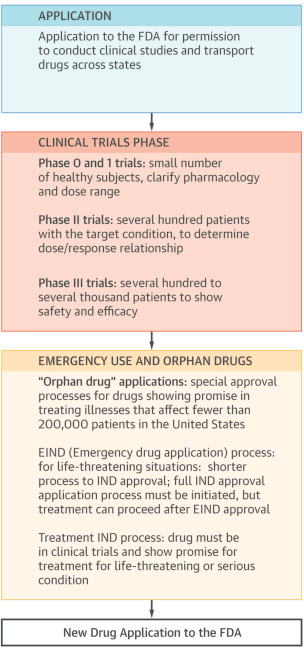
Finally, when GW was confident that their developed drug had the potential to improve the lives of individuals, they filed an application to the FDA, which granted them permission to conduct clinical trials. These randomized, placebo-controlled clinical trails consist of three-phases (Phase 1: Devinsky et al., 2017; Phase 2: Devinsky et al., 2018; Phase 3: Thiele et al., 2018) that assess different aspects of the drug. They were also double-blinded meaning that neither the patient nor the doctor knew whether the drug administered was active or placebo.

fda approval
American process to submit a new drug application to the FDA

Phase 1
This trial randomly treated 120 children/young adults with the Dravet syndrome and drug-resistant seizures over a 14-week treatment period. The study found that the median frequency of convulsive seizures per month decreased (12.4% to 5.9%) more in patients administered with Epidiolex®, compared to those administered with placebo (14.9% to 14.1%). This study basically clarified that the drugs work.

Phase 2
The second phase of clinical study enrolled patients with Lennox-Gastaut syndrome (age range, 2 to 55 years) and randomly separated them into groups to study the dose to response relationship. 76 patients were assigned with 20mg cannabidiol servings, 73 patients had 10mg cannabidiol servings and the remaining 76 had the placebo. After an average of 28 days worth of treatment, the results presented that a greater dose had a greater reduction impact on the frequency of seizures. The median reduction in drop-seizure frequency was 41.9% in the 20-mg cannabidiol group, 37.2% in the 10-mg cannabidiol group, and 17.2% in the placebo group.

Phase 3
The last phase investigated the short-term efficacy of the drug. They found that the treatment was well tolerated by patients with Lennox-Gastaut syndrome, but some mild to moderate adverse effects were expressed including diarrhoea, somnolence, pyrexia, decreased appetite, and vomiting. These side effects, however, are less alerting than a great proportion of those associated with other drugs in the market. The long-term efficacy of the drug is still undergoing trials.

After all three clinical trials, phases were brought to a close; the new drug application was submitted to the FDA for review. As expected, the FDA understood that the drug administered a disease, which previously had no effective medication, and was safe enough to use if manufactured accordingly to the licence specifications that they granted. Thus, legally allowing the drug to be prescribed in the US to patients with these seizure syndromes.

Hopefully, public recognition of his extensive approval process can influence the public to be more accepting of cannabinoid derived products as they are truly well tested, before hitting pharmacy shelves. Just to add on, GW is also aiming to expand the radius of this licence to occupy other disorders and illnesses as many other health claims are associated with CBD. I will touch onto these in my next blog… hope you enjoy reading it!

Biotechnological applications for extracting cannabinoid compounds


Previously in my blog, I explained how the biotechnological industry has adapted its expertise to cannabinoid research, development and application. I would like to now dive deeper into how biotechnological devices have shaped cannabinoids, as biotechnology does not just refer to an industry, but also the medical devices, techniques and processes used in pharmaceuticals. These applications are vital for effective research and down-stream production of many drugs now used in modern medicine.

Process of manufacture

In order to develop Epidolex®, a CBD purified drug; scientists have to separate out many compounds found in the plant until they are left with the desired product. This journey of filtration can become very difficult as biological compounds, including cannabinoids, rarely adapt to undesirable environments causing them to denature or become inactive, and hence medically useless most of the time. The processes have to, therefore, be very sensitive, and capable to work exactly inline with the compounds optimum condition including temperate, acidity and conductivity.

Initially, before the compounds can be extracted from the crop, the plant is processed into a liquid form. This can be done by simply ‘blending’ down the solid plant to create a mixture, which is much easier to work with. After achieving this ‘cannabis mixture’, it can be processed through different flirtation techniques, the main three being:

Centrifugation.
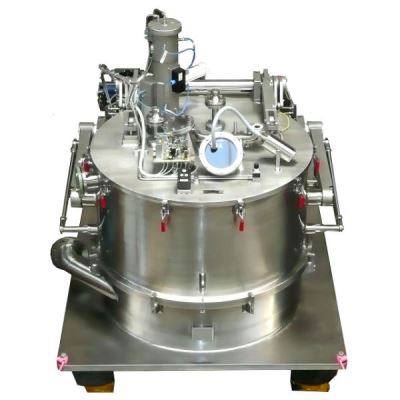
Centrifugation involves the separation of compounds based on their size, shape, density and viscosity by spinning down the solution at high speeds. This motion generates a centrifugal force, which causes heavier compounds to subside at the bottom of the centrifugal bowl, whilst smaller, less dense molecules remain on top in solution. This process referred to as preparative centrifugation, is very effective because it tends to remove a large majority of unwanted compounds from the mixture, leaving a less dense liquid solution containing proteins, biomolecules and other smaller compounds. In later processing stages, it can become more difficult to separate smaller compounds. Scientists are therefore able to apply a membrane into the centrifugal bowl, which is capable of capturing certain compounds, whilst other unwanted compounds of similar density pass through. Here, compounds may be separated due to affinity to a particular compound, which is added to the bulk prior to centrifugation.

Centrifuge
Centrifuge – Picture has not been created by the author but taken from an external source.

Chromatography.
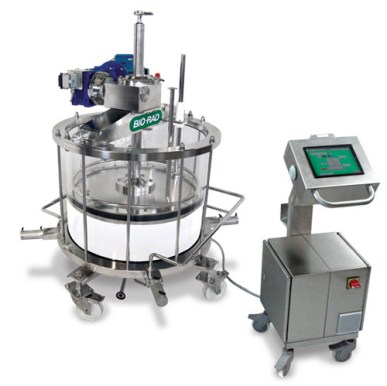
Another separation technique abundantly used in downstream pharmaceutical production is chromatography, in particular, High-performance liquid chromatography (HPLC). The theory behind this process is that for example, the solution with the CBD and other bioproducts are mixed with a mobile phase solution, which is then run through a chromatography column that holds a stationary phase. The properties of the stationary phase differ as some will separate molecules depending on molecular mass (size-exclusion chromatography) whilst others on their molecular charges (ion-exchange chromatography). In theory, however, the desired compounds are held up within the stationary phase, whilst the mobile phase passes through the column into waste with some of the unwanted products. At times, unwanted bio-compounds may be bound to the desired compound (CBD) and therefore buffers are run through the column, to slowly remove these unwanted. Lastly, to remove the desired compound from the stationary phase, an elution buffer is run through and what leaves the column is collected as it contains the CBD.

Bioproduct production firms tend to use a Mass-spectroscopy (MS) meter to measure the properties (usually conductivity) of the column outlet to help determine the composition of the existing solution. This combination of MS and chromatography is very desirable in downstream production due to the high specificity it produces, compared to other chromatographic detectors.

chromotography
Chromatography column with Mass Spec – Picture has not been created by the author but taken from an external source.

Filtration and ultra-filtration.
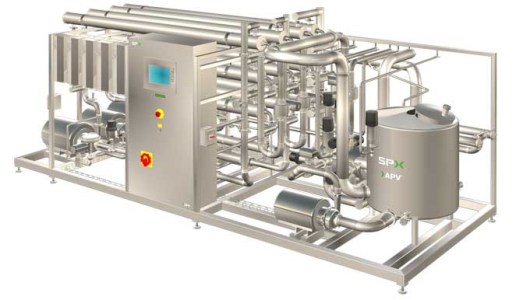
The simplest of these techniques is filtration which involves passing the liquid through a membrane-bound filter. In theory, the solution passes through a membrane, leaving any undesired compounds behind. Ultra-filtration works in the same manner but uses hydrostatic pressure to remove much finer particles from the solution. This device is abundantly used in pharmaceutical production at end stages of product filtration as it removes very small particles, including suspended bacteria, viruses and salts. This helps to ensure the CBD product produced does not hold contaminants that can make the drug harmful.

Ultra-filtration
Ultra-filtration – Picture has not been created by the author but taken from an external source.

So now, (as long as I haven’t lost you) you should have an idea of how biotechnological instruments have been applied to the manufacture of purified CBD. I have only mentioned some of the most commonly used devices, yet there is many more involved in pharmaceutical production. Without them, scientists would struggle to derive molecular compounds so efficiently… it would really be like finding a needle in a haystack… actually, that’s an understatement of the complexity. So regardless of the efforts to develop this process, and therefore Epidolex®, GW Pharmaceuticals struggled for years to gain FDA approval. My next blog will look into the process that Epidolex® had to overcome in order to finally gain this ‘medicinal’ recognition.

The biotech industries interest in Cannabinoids?

From a drug of almost global illegality to a multibillion-dollar industry, cannabis has significantly progressed in the last two decades. This gradual movement caught the interest of many science-based industries to boost this market by tailoring their services towards cannabinoid research and production. One, that became a crucial part of this market was the biotechnology industry which focussed on prospecting the field of cannabinoids in society. Their main areas of interest revolve around the discovery of new health benefits from active bioproducts and, the introduction of improved methods of delivering these compounds into the human system. Consequently, this alliance of industries has led to efforts and advancements in tackling medical disorders, some of which were incurable before.

This blog will, therefore, concentrate on a few biotech companies which have or are believed to cause a great impact on the development of medical cannabinoid products. Many difficult terms will be used too so bear with me, I’ve hyperlinked most of them to help you understand what I’m on about!

biotek

Cannabis takes over the biotech industry

Many companies have seen an opportunity to adapt their research, expertise or patented products in the cannabis market whilst others have invested in researching the plant since their establishment. For example, GW Pharmaceuticals was established in 1998 with the aim to research and develop cannabinoid-derived medication. They focused heavily on clinical trials, drug development and regulatory allowances but for years struggled to commercialise their medication because of the strict law surrounding cannabis. Fortunately, their research and trails were so extensive that they overcame regulatory clearance and became the first in the world to distribute cannabinoid-based medicine.

As mentioned, specialist biotechnology businesses found a profitable opportunity in the cannabis market and tailored their expertise towards its development. 22nd Century Group is one of these companies. The plant biotech firm originally focused on bioengineering of tobacco plants to lower the level of ‘harmful’ compounds like nicotine when smoked. The same problem is present when smoking cannabis as some compounds (e.g. CBD) are more desired in medicine than others (e.g. THC). Therefore, bioengineering of new cannabis strains which contain more of the desired compounds can support cannabinoid production companies like GW Pharmaceuticals. This can be through means of increasing yield and potency of the desired compounds but also improving the flow of the manufacturing process by lowering filtration steps needs to remove unwanted compounds.

Let’s jump back onto the topic of smoking as historically this was, and still is the main method of getting cannabis compounds into the human system. You do not have to be a doctor however to know that smoking in general, is a massive contributor to cardiovascular, pulmonary and cancerous diseases along with other difficulties. It shouldn’t, therefore, be a surprise that some biotechnological companies have recently been researching improved methods through which cannabinoid-derived medication can be consumed and absorbed. Lexaria Biosciences, for example, has developed the DehydraTECH™ technology which can be applied to bio-active compounds (including cannabinoids) which would otherwise be poorly absorbed by our stomachs. This technology is out-licensed to many pharmaceutical companies to improve the drugs taste and increase the rate of absorption, which in turn lowers the required dose needed for desired effects from the drug.

So, to sum things up, the biotech industry already has, and will continue to boost the development of the cannabis industry. They do this by directly impacting the properties of the drug or indirectly by research and making the public and government more aware of the medical benefits and more accepting of what it really is… just a plant with much medicinal potential. To top everything off, the recent involvement of the biotech industry (as well as other industries, e.g. medical, agricultural) in cannabinoids have really brought massive investments into cannabis in general, supplying scientists a whole load of funding to focus research more on the plant’s medical benefits.

biotechnology

In my next blog, I will dive deeper into the analytical techniques hugely used in cannabinoid research, as well as mass manufacture. I will aim to help you all understand the complexity evolving these techniques.. purely because filtration refers to much more than just using a sieve to separate ‘water from sand’ (surely we all did this practical in primary school?). Above that, I’m sure you’ll find it interesting to learn scientists are able to achieve a pure compound from such a complex plant structure!

THC vs CBD: The O-C bond that makes a colossal difference

Historically, marijuana has been recognised as a ‘street’ drug for “getting high” and considered one, for which possession is illegal. Within the last decade, however, the demand for natural medicines has increased due to their wide range of health benefits. Consequently, this has prompted scientists to research and therefore uncover notable and empirical results proving that compounds derived from cannabis hold some medicinal properties.

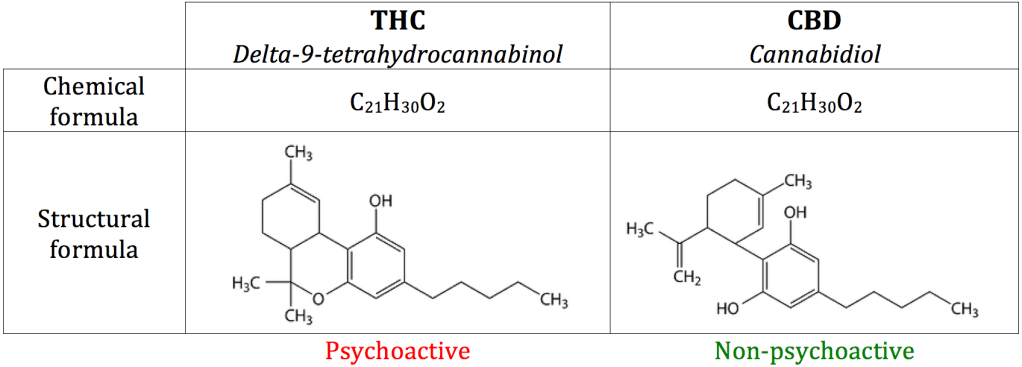
So… surely you have heard about the psychological effects that a cannabis user experiences? If so, it must have got you wondering, what is it about this natural crop that can manipulate one’s psychological awareness? Well, the compound responsible for this ‘euphoria’ is THC which acronyms for delta-9-tetrahydrocannabinol (if you can manage the mouthful). This compound is considered the main psychoactive chemical out of approximately 500 chemical compounds naturally found in marijuana. Recently, much more attention has evolved around a compound, which has the same chemical makeup as THC, yet its effect on the body is vastly different. This compound, known as Cannabidiol (CBD) is made up of 21 carbon, 30 hydrogen and 2 oxygen molecules, just like THC. The two are nearly identical twins if you like. What differentiates them from one another however is the arrangement of a single atom, and this is illustrated below:

Untitled111

To put things into perspective… an atom is approximately a million times smaller than a strand of your hair and so we’re talking about a microscopic difference! It is crazy to believe, but this minuscule difference is responsible for very different effects on our body.

The Endocannabinoid system and Cannabinoids

Before we dive further, it is important to understand how cannabinoids react with the body and the process they undergo.

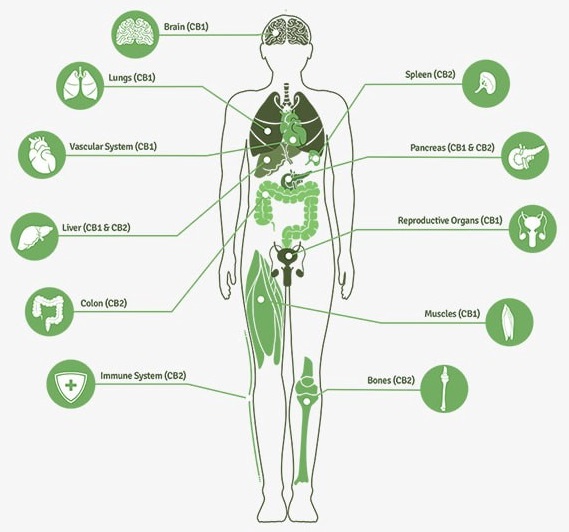
So, the cannabinoid compound interacts directly with the endocannabinoid system (ECS), which is basically a network of receptors (complementary binding sites to cannabinoids) spread across parts of the human body. Currently, two of these receptors have been identified throughout the body and classed as CB-1 and CB-2. The CB1 receptors are predominantly found in regions of the brain responsible for mental and psychological alterations whereas their CB-2 counterparts are distributed throughout the immune and central nervous system.

0_Wlut-mtfrAFbwClr

Now, the positioning of that atom between THC and CBD I mentioned earlier is what differentiates the effects that each of them has on the body. Both compounds bind to the CB-2 receptor similarly and hence impact the central nervous system similarly too. This reaction is what lead to an array of medical benefits associated with the two. The interaction with the CB-1 receptor, however, differs between THC and CBD. The molecular structure of THC allows for it to bind directly with this receptor, which in turn stimulates the release of chemicals responsible for “getting high”. In contrast, these stimulating chemicals are not released when CBD’s attempt to bind to the CB-1 receptor as their ability to bind in not as effective (Reggio, 2010). This is the main reason why CBD does not create psychoactive effects. Interestingly, CBD has also been found to hinder the bond between THC and CB-1 and thus neutralises the psychoactive effects caused by the THC.

THC and CBD content in medicinal marijuana

You should now have a sound idea on how and why the two differently affect individuals and through this, have realised that CBD’s are the components which are preferred in medicine.

CBD’s are mainly preferred as they offer more health benefits, do not cause psychoactive effects and currently are not illegal due to unclear laws around most of the world, unlike THC. So, for example, some states in the US have legalised the prescription of medical marijuana to patients in need. This means that they have allowed for the prescription of cannabis which is much more concentrated in CBD rather than THC. The concentration of these compounds in recreational marijuana differs, as THC tends to be much higher than CBD. So, in terms of medicinal use, the pharmaceutical producers want to omit the euphoria caused by THC by suppressing its presence in the herbal product.

Currently, CBD is therefore still in the grey area, but this is drastically changing with increasing studies and improving biotechnology for research and manufacturing. On this note, I will explore these biotechnologies in my next blog so stay tuned in… I’m sure you’ll find it interesting!

Cannabis – Class B drug or revolutionary medicine?

Cannabis plant


We live in a society where the current public and government perception of an array of controversial topics is decidedly offbeat. This disputable viewpoint, along with other factors, greatly contributes to the decisions made by influencers, and in some instances, prevents the use of valuable resources to their fullest potential. A strong example of this is Marijuana (commonly known as cannabis) and its application in society.

History & Law

For centuries, hemp, a strain of cannabis predominantly lower in tetra-hydro-cannabinol has been used in industry for fibres, oils and seeds. Recreational use of the drug has been practised for much longer than this, yet a majority of the world’s government put a ban on this form of misuse in the early 20th century. Since then, a majority of these countries still enforce this law, even though we have since developed a better understanding of the active components, and the psychological (Walsh et al., 2017) and biochemical (Hill et al., 2017) effects that can be achieved from them. More emphasis evolved around the negatives of the drug, and the enforcement if one was found cultivating, possessing and distributing Cannabis, and thereby placing less attention on the medicinal benefits.

In recent decades, use of the drug has become more acceptable worldwide. Countries such as the Netherlands have allowed for the recreational use of the drug whilst some American states have legalised the use of cannabis for medicinal purposes only. The UK, however, has remained very hesitant on legalising the use of the plant for neither, recreational nor medicinal. The class B classification of the drug has remained the same since it was added to the Dangerous Drugs Act 1920 in 1928 and remains there till today. There was a slight movement towards acceptance between 2004 and 2009 when the drug dropped to a class C but this didn’t remain for long due to political and public safety factors. These factors seemed to have outweighed the public opinion as according to BBC news more people were in favour of this down classification (49% supported this movement whilst 36% didn’t).

Medicinal or Recreational cannabis?

It is important for laws to be set with the differentiation of ‘recreational marijuana’ and ‘medical marijuana’ in mind as their expected effects vary. Particularly more so, when patients who currently benefit medically from the drug in the UK have to commit criminal offences to obtain any form of cannabis. This ‘street’ cannabis is what causes harm to long-term users, as its manufacture does not comply under any standard operating procedures approved by regulatory bodies like the MHRA/FDA. This means that’s compounds may be used which greatly influence previously identified psychological harm (Di Forti et al., 2009). Could this also reason to the negative stigma around the plant?

Anyway… the difference between recreational and medicinal marijuana is quite simply segregated by the proportions of two relevant components:

  • Tetrahydrocannabinol (THC): The psychoactive compound of the cannabis plant which produces the ‘euphoria’ or high.
  • Cannabidiol (CBD): The substance that does not produce the high, yet has been recently found to hold many medicinal benefits.

Recreational marijuana is the type that is usually found on the streets. It is usually much higher in the psychoactive compound THC whereas its medicinal counterpart contains far more CBD. Use of the medicinal product, whether smoked, vaped or consumed, does not create the euphoria, yet gives the user relief from certain disorders. Extensive cannabinoid research has found benefits including pain control, multiple sclerosis, insomnia and has also been found to lessen disease symptoms including tremors in Parkinson’s disease (Grinspoon, 2018).

Where we are now?

As medicine and its application in society have improved over time, scientists have further studied CBD and other compounds in cannabis. A company recognised well in the field is GW Pharmaceuticals, who earlier this year became the first to have their cannabinoid-derived product approved for commercialisation by the FDA. The product (Epidiolex®), compromised of purified cannabidiol was created to treat two rare forms of epilepsy, Lennox-Gastaut syndrome and Dravet syndrome (FDA, 2018). Other preliminary uses for this drug have also been identified, yet not been approved by the FDA. Regardless of this, it is evident through FDA approval, that cannabis products have medicinal benefits… It’s just important to use the correct compounds in the correct manner to achieve the desired effects.

GW Pharmaceuticals, along with similar businesses will continue to undergo extensive research using state-of-art biotechnology to create medication cannabinoid-derived medication. I will get into more depth on the main active compounds found in cannabis in my next blog and explain their effect on the body.