Hemp vs CBD vs Cannabis; the different oils

In the cannabis industry, there are two common forms of Cannabis Sativa plants that are grown: Industrial hemp and marijuana. Both of these plant types belong to the same family of plants, but differ drastically in terms of biochemical properties, and therefore application within society. Industrial hemp naturally has a greater proportion of CBD compared to THC whereas marijuana is the polar opposite, usually high in THC and lower in CBD. This biochemical composition makes industrial hemp more desirable in the field of medicine as current research tends to hover medicinal benefits over CBD significantly more compared to THC. It shouldn’t, therefore, be a surprise that cultivation of industrial cannabis is legal across the US under the Farm Bill Act, whereas cultivation of marijuana varies vastly from state to state.
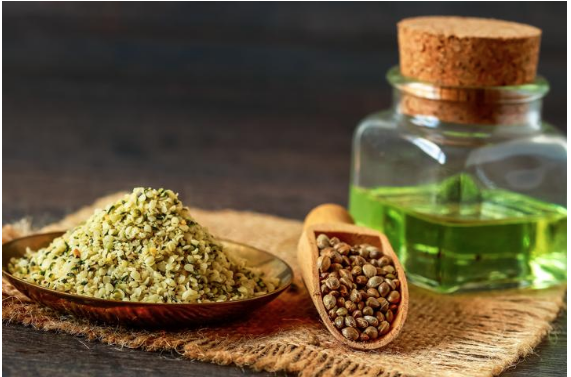
cannabis oils

So, all hemp, CBD and cannabis oils are obviously derived from cannabis, but the determinant to what the end product stems down to the plant type from which they are extracted.

Hemp Oils
Hemp oil comes from the industrial hemp plants seed but surprisingly, when tested for cannabinoid levels; seem to contain neither CBD nor THC in traces. Testing has actually shown that no cannabinoids at all are present in hemp plant seeds. I guess this has got you wondering… why create this product if it contains none of the cannabis active compounds? Well simply, they are not needed in these products as Hemp oils are not utilised for to their cannabinoids, but high levels of omega fatty acids, vitamins and minerals. They’re actually commonly referred to as super-foods as their nutritional components can assist in lowering pain or relieving stress. The omegas and vitamins also support healthier hair and skin.

CBD Oils
CBD Oils differ from hemp oils as they do contain cannabinoids, flavonoids, terpenes and other beneficial phytonutrients that are naturally found in industrial hemp. These compounds are present in the oil as they are mainly derived from the plant when it has fully grown, rather than from its seeds. Traces of THC are however removed from these oils before its sale and distribution, making it a legal product in many countries. The cannabinoids present in these oils have been found to assist with pain, stress, anxiety, sleep and inflammation.

It is important however to understand that CBD has been found through to assist with these health issues, but they are not confirmed and approved by medical regulatory bodies. Hence, why Epidolex® is currently only marketed for seizures, and not any of these issues.

Cannabis Oils
The last of these oils are cannabis oils, which are mostly derived from the marijuana plant (dependant on vendor), unlike hemp and CBD oils. Cannabis oils, just like the marijuana plant, have high levels of THC compared to CBD making it illegal in most countries, apart from those who have legalised recreational cannabis use. Interestingly, this oil is still used for its medicinal purposes but as a recreational drug, hence the illegality status.

So here you are… a breakdown of the different forms of oils derived from the cannabis plant. I truly find it fascinating that they differ so much from one another just because of the methods and plant strain that they are derived from. My next blog will actually concentrate on the future of cannabis and the potential of scientific bioengineering technology to alter the plants, hence opening more doors to further research.
Cannabis health benefits; apart from those approved by the FDA

In recent years, the medical industry has been inching towards the used of natural medication as a primary source of prescription. This shift away from synthetic products is a ‘healthier’ medication alternative but is, unfortunately, one that cannot occupy all of the health issues prevalent through the planet. Medical advancements however happen step-by-step (with the occasional leap) meaning that possibly one day, all medicine may be naturally sourced.

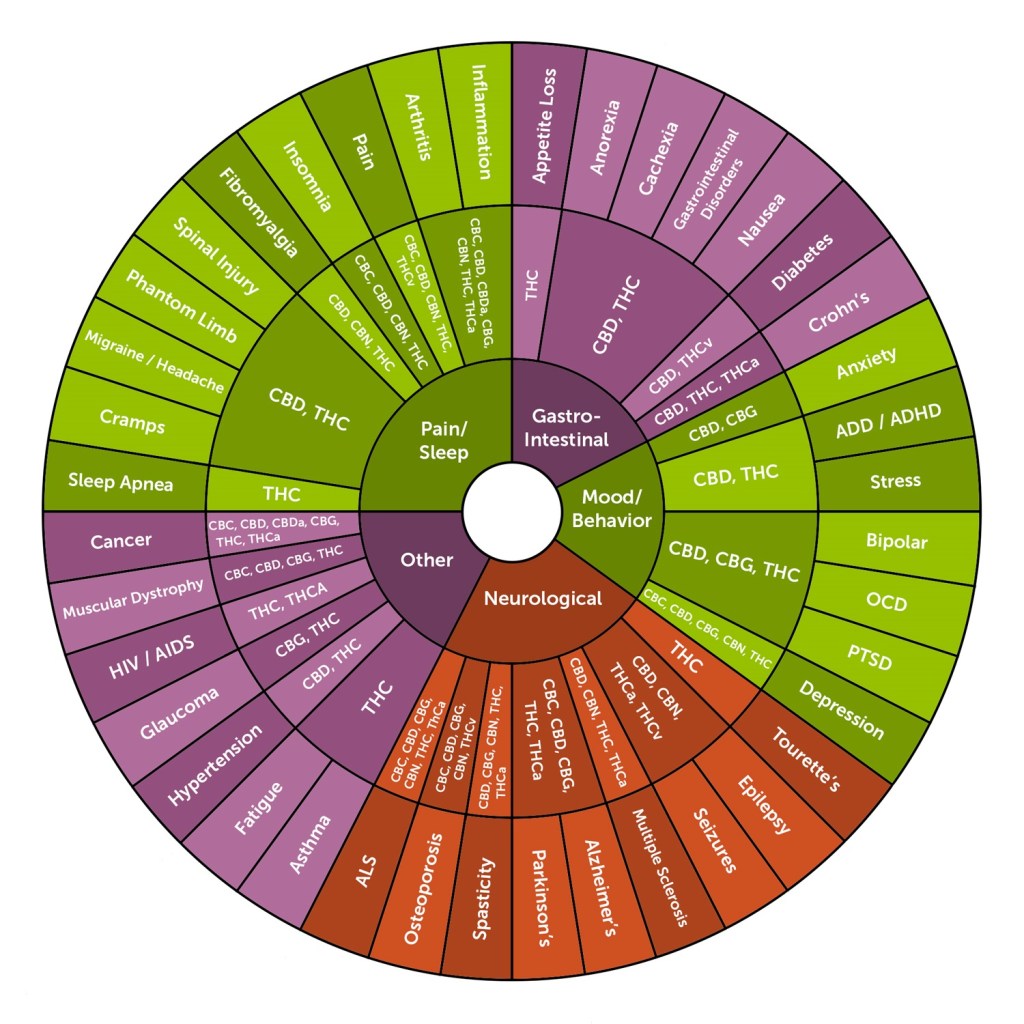
Cannabis-derived products are one of these botanical sources that have become prominent in medical research and interestingly; many health claims have been identified. These claims were found relatable not only to CBD and THC, but also other significant cannabis bioproducts like cannabichromene (CBC), Cannabinol (CBN) and Cannabigerol (CBG).

plue6ndetsirqg7y9hkf_cannabinoid-wheel-(final)---english

Pain
Research has found that CBD for example, has far more potential than what the FDA approves for at this moment in time. For example, human studies presented it as an effective supplement for general pain relief whilst others showed it to improve pain management in patients in rheumatoid arthritis when combined with THC. Pain relief was actually associated with THC, CBC and CBG, with the theory that this effect is down to the compounds ability to reduce inflammation and interact with our neurotransmitters. Another study actually found that CBD’s neurotransmitter interactivity capabilities also reduced acne by inhibiting the production of sebum in the skins sebaceous glands.

Mental Health
The psychoactive properties of cannabis budged some research towards mental wellbeing effects of the compounds. Suppressed anxiety was linked to CBD and CBG whereas all the previously named showed depression alleviation. A study published by the Neuropsychopharmacology journal clinically demonstrated that sufferers of generalised social anxiety disorder (SAD) that were administered with CBD compared to placebo, experienced significantly less anxiety and discomfort during a public speaking test. Importantly, in another fascinating display of entourage effect, CBC was shown to interact in conjunction with both, CBD and THC to bring a trifecta of antidepressant properties to counter depression. This is particularly significant as depression driven suicide is prevalent all over the world. Imagine if we could apply to utilise these active compounds into an antidepressant pill? Doctors could lower the prescription of conventional synthetic medication, which are known to have much more health risks compared to these natural alternatives. In the real scheme of things its possible, but requires extensive testing, research and as mentioned in my previous blog; medicinal recognition.

Cancer
Cannabinoids have also been shown to alter the course of cancer development as well as the aid management of its treatment. CBG was found to block the internal receptor responsible for the growth of cancer cells, thereby suppressing their rate of growth (Borrelli et al., 2014). CBC was also found to impact the proliferation of cancerous cells by interacting with the body’s natural endocannabinoid, anandamide (De Petrocellis et al., 1998). CBD, on the other hand, is shown to alleviate symptoms (nausea and vomiting) associated with chemotherapy.

Multiple sclerosis
Cannabinoids have in general been shown to have ‘relaxing’ properties. This is supported by the effect of Epidolex® to suppress the number of times the body goes into epileptic shock. A strong study actually found that CBD infusions increased mobility, reduced pain and reduced muscle spasms in patients suffering from MS. CBD and THC also influenced MS in a similar manner.

So conclusively, I guess this bombardment of medical findings can show you just an inch of the healing potential that cannabis compounds. Imagine the extent of medical benefits we could acquire for other available natural remedies? The possibilities are truly limitless.

Interestingly, a whole load more health claims have been associated with CBD administration. It might, therefore, be a possibility for GW pharmaceuticals to undergo further CBD research to extend the medicinal uses for Epidolex®? Well just have to see what the future holds!